
RMNCAH Services
Disease burden from main RMNCAH-related conditions, highlights gaps in service coverage, utilization and RMNCAH interventions.

Health Financing
There is need for complementary financing to increase the coverage of prioritized interventions in line with the sharpened plan.

Policy Gaps
The Government’s sectoral plans and strategies emphasize strenthening health systems by expanding access and coverage for under-served populations.
Challenge 1:
Disease burden
Uganda is among the countries with the highest burdens of non-communicable disease, HIV/AIDS, malaria and tuberculosis. Other key conditions contributing to its burden of disease are lower respiratory infections, meningitis, peri/neonatal complications and diarrheal diseases.
Women and children are the most affected and bear a disproportionate burden of disease in Uganda.
While communicable diseases remain prevalent, non-communicable diseases are a growing concern. The high disease burden is further complicated by disparities in health outcomes across regions.
Challenge 2:
Weak capacity among Faith and Religious Leaders (FRL) in project management and accountability engagements
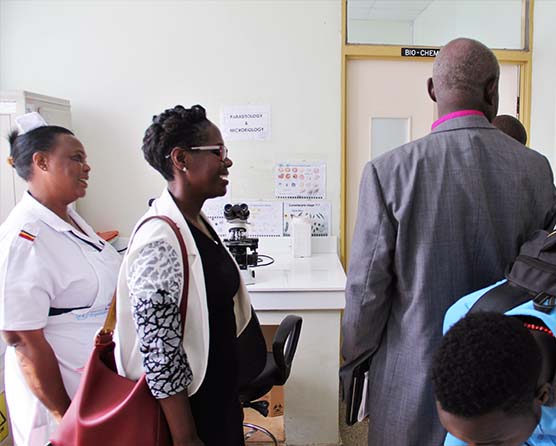
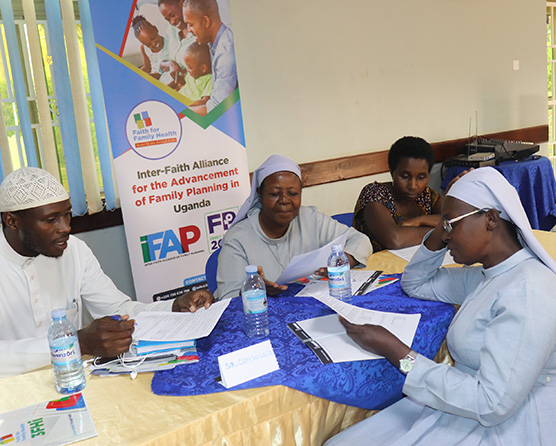
Inter-Faith religious leaders (FRL) in Uganda hold immense influence over governance, social norms, community behaviour, and health service uptake, reaching an estimated 99% of the population through trusted religious and cultural structures. However, their potential to drive sustained improvements in family health, reproductive health, adolescent well-being, and accountability remains significantly underutilized due to capacity gaps.
While FRL already command strong community legitimacy and moral authority, they often lack the structured skills, tools, coordination mechanisms, and strategic alliances needed to perform at full potential.
Strengthening the institutional, technical, advocacy, and networking capacity of inter-faith religious leaders — rather than creating new structures — is therefore a high-leverage opportunity. Equipping existing FRL with targeted skills, coordination platforms, and strategic partnerships would amplify their natural convening power, legitimacy, and reach, enabling them to more effectively champion accountability, demand for Health services.
Challenge 3:
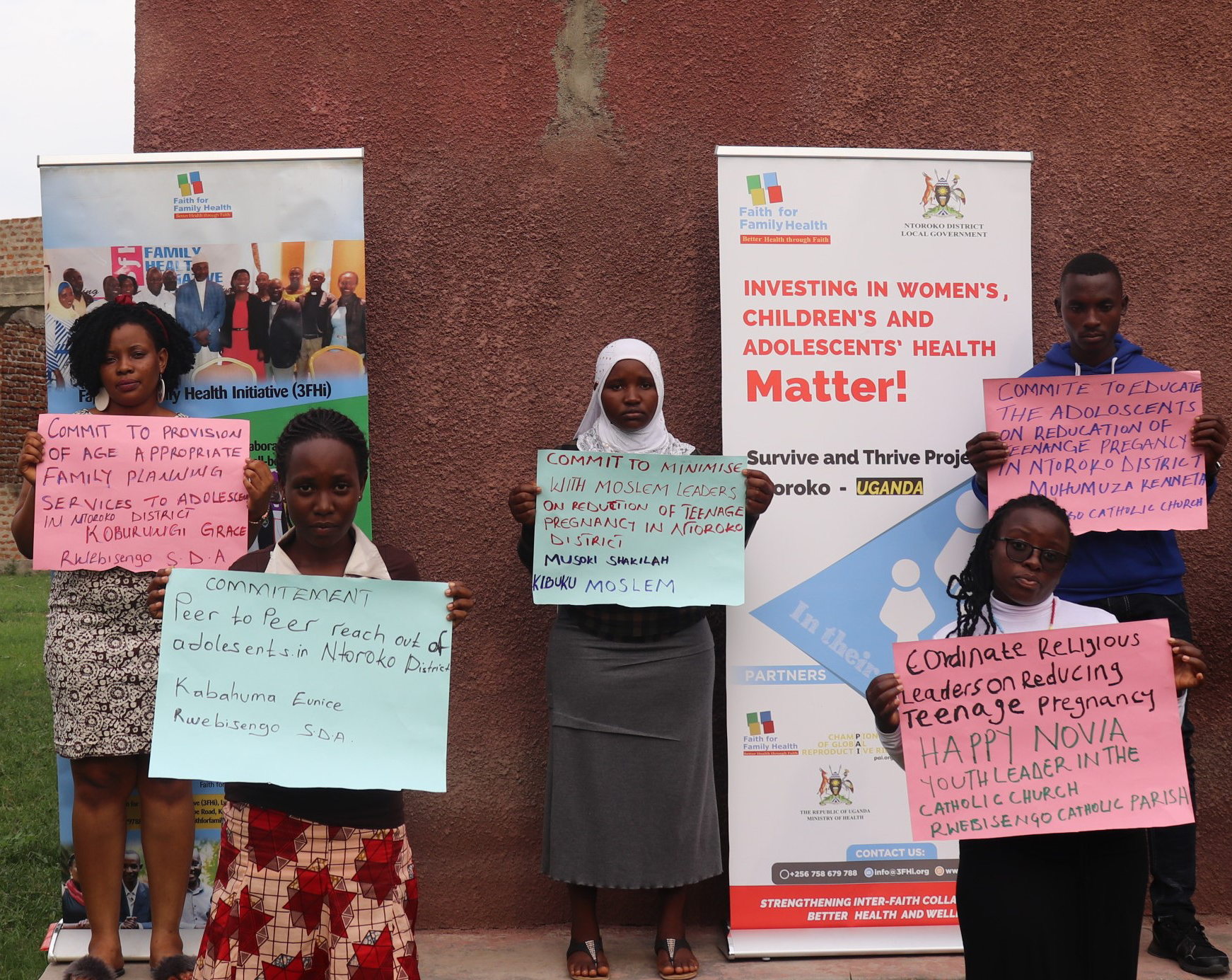
Poor adolescent health outcomes including increasing burden of teenage pregnancy
In Uganda, as in other parts of Sub-Saharan Africa, adolescents face severe challenges to their lives and general well-being. They are vulnerable to early and unintended pregnancies, unsafe abortion, female genital mutilation (FGM), child marriages, sexual violence, malnutrition and reproductive tract infections including sexually transmitted infections (STIs) as well as HIV and AIDS. Drug abuse, early sexual debut, lack of contraceptives and violence are burdens that the average
Uganda adolescent confronts today, and some carry these nagging loads into their youth.
Challenge 4:
Worsening indicators for Gender Based Violence.
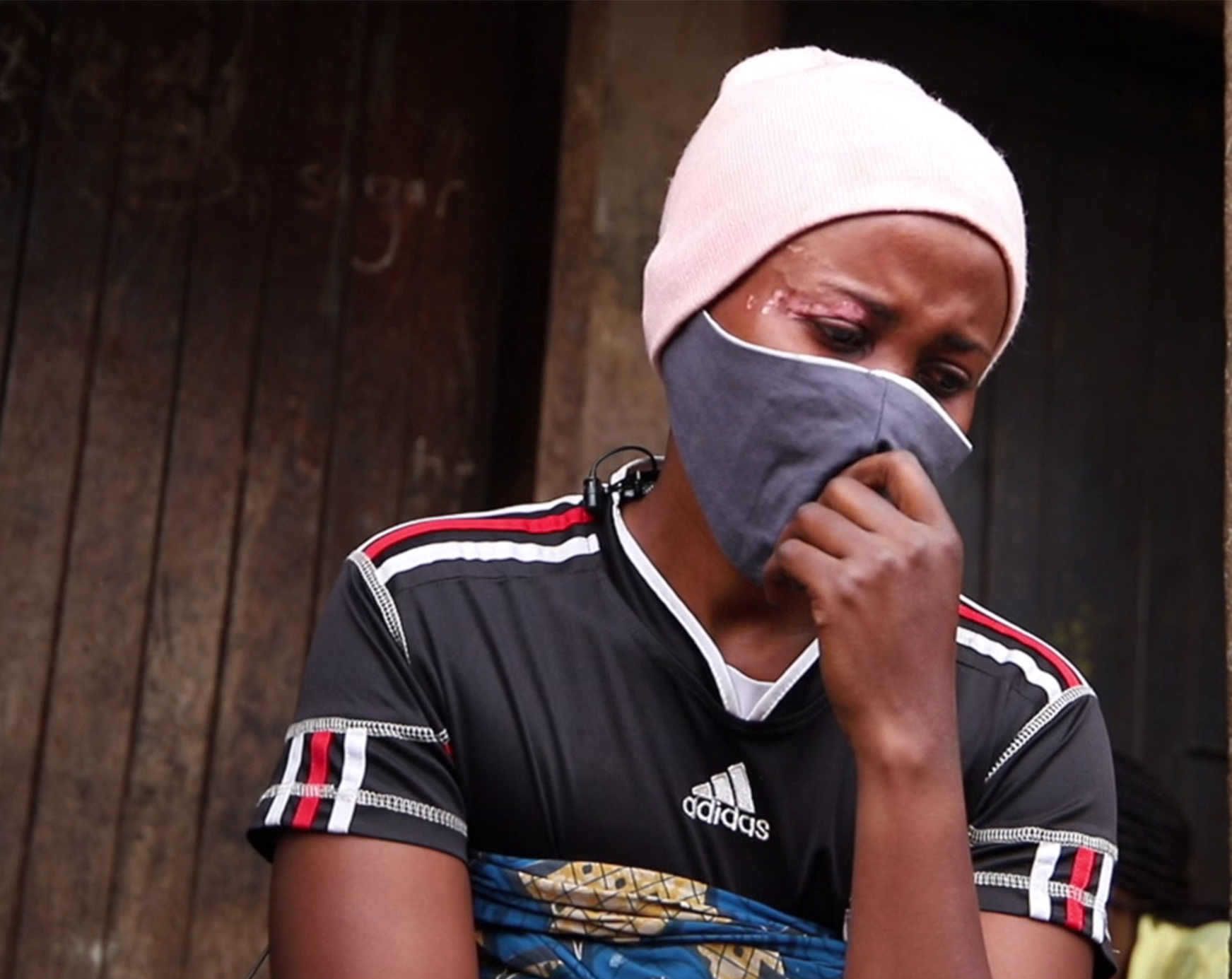
In Uganda, just like many other countries in Africa, girls and women experience various forms of abuses. Those living and residing in urban informal settlements, refugee settings and fishing communities experience various forms of abuse including rape, gender-based discrimination and exploitation. There are clear indications that these abuses often coexist with other risky sexual behaviours like an early sexual debut and multiple concurrent sexual partnerships.
Opportunities for women to acquire skills, earn a living, grow their business and pursue other economic activities are comprised by repressive policy and structural environment.
Challenge 5:
Increasing poverty and house-hold destitution
In Uganda, the majority of the population (80 percent) live in rural areas where poverty is prevalent (22.8 percent compared to 9.3 percent in urban areas). In addition, a large share of the population (43.3 percent) remains highly vulnerable and at a risk of falling back into poverty. While the gross domestic product (GDP) grew at an average annual rate of 4.6 percent.
Although the structure of the economy is gradually changing, the majority of the population (80 percent) rely on low-paying jobs in the agriculture sector, employed mainly in subsistence farming, which contributes to 25 percent of the GDP.
Challenge 6:
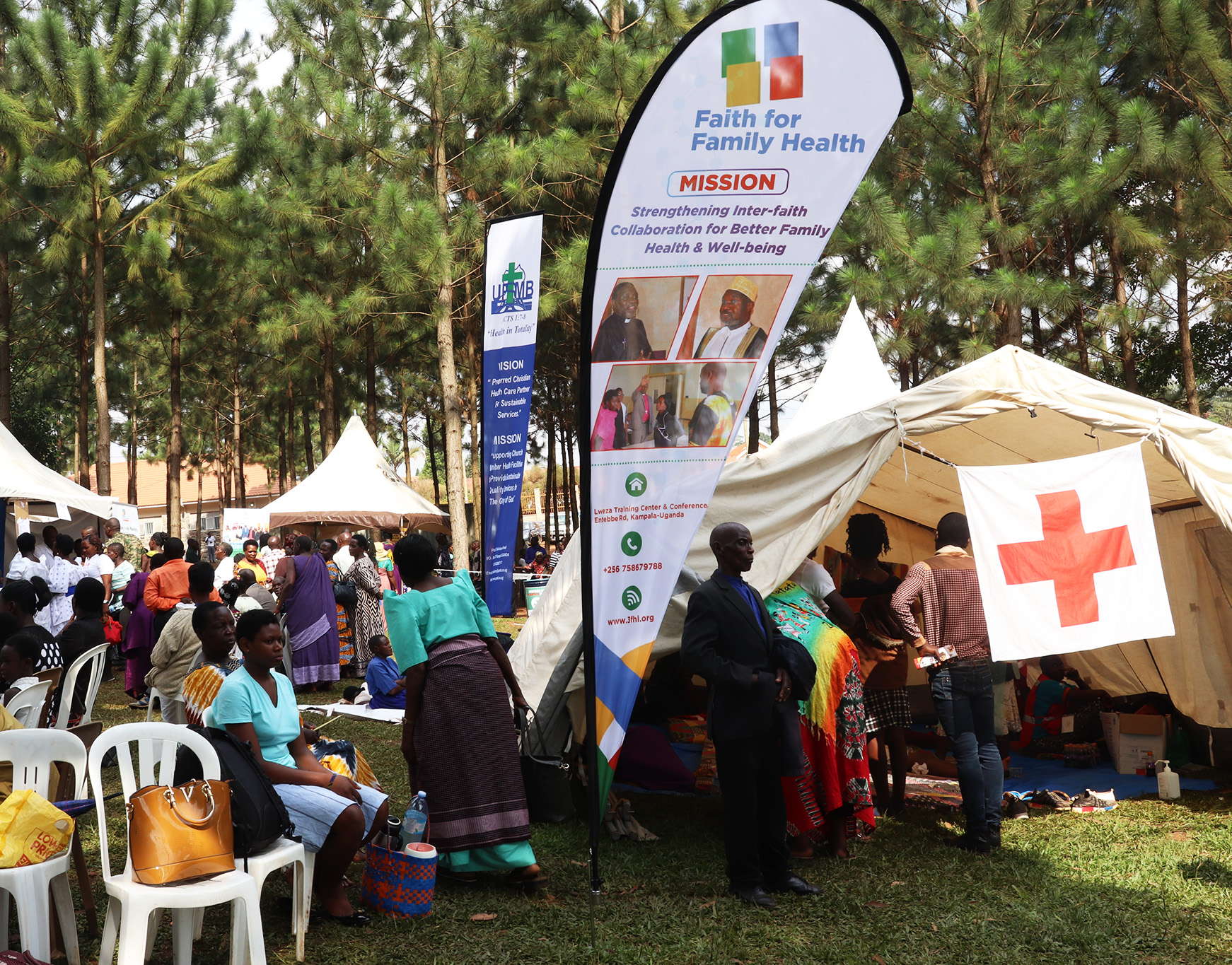
Low access to health care
In Uganda, households bear a heavy burden of health financing through out-of-pocket payments (OOPs), which accounted for 38.4% of total health expenditure in FY 2023/24, compared to the government’s 18.2% contribution.
This high OOP share — well above the global financial protection threshold of 15–20% — exposes families to catastrophic spending and impoverishment, especially for RMNCAH services.
Approximately 800,000–1 million Ugandans are pushed below the poverty line each year due to health payments, with complicated deliveries, neonatal care, and adolescent maternity costs among the most impoverishing.
The absence of comprehensive Universal Health Coverage (UHC), anchored on the National Health Insurance Scheme (NHIS), leaves millions financially vulnerable.While government has piloted RMNCAH voucher schemes, the Senior Citizens Grant, Vulnerable Mother and Child Health Insurance, and small-scale CBHI, these remain fragmented, limited in coverage, and insufficient to significantly reduce OOPs.